- info@semraay.com




Born in Antalya in 1987, the artist completed his high school education at Antalya Atso Anatolian Fine Arts High School Painting Department, started his undergraduate program in 2005 at Yeditepe University Fine Arts Faculty, Plastic Arts Department, where he won a scholarship, and was entitled to receive a high honor degree in 2010. and graduated as the first in the department. During his undergraduate education, Head of Plastic Arts Department Prof. He worked as a student assistant to Zahit Büyükişliyen and Prof. Ergin Inan, Prof. Kaya Ozsezgin, Prof. Ozdemir Altan, Prof. Fevzi Karakoç and Prof. She has worked with many master artists such as Aydın Ayan. The artist, who was awarded a scholarship master's degree at Yeditepe University Fine Arts Faculty Plastic Arts Department in 2010, completed his thesis on "Abstract Spaces in Contemporary Turkish Painting" in 2012. Between 2011-2016, he worked as the Manager of İş Sanat İzmir Gallery. Working as a lecturer at Dokuz Eylül University Buca Education Faculty Painting Department in 2016, the artist completed the Yaşar University Art and Design Faculty Art Proficiency Program in 2017, which she started in July 2013. The artist continues his art works in his workshop in Bostanlı, İzmir.
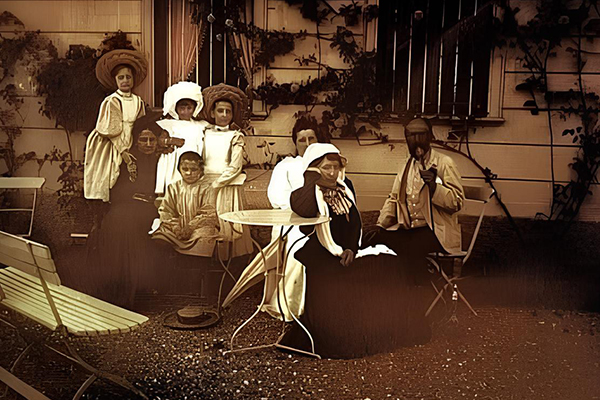
How well do you know Osman Hamdi Bey (1842–1910)? In addition to being a painter, statesman, archaeologist, museum director, and the founder of Mimar Sinan University, he was truly a man of mission. He removed women from being mere dogmatic symbols in his paintings. We can also observe the importance and value he placed on his wife and family through the photographs he had taken. In his family life, we see a very different Osman Hamdi—emotional, self-effacing, and always prioritizing his loved ones.
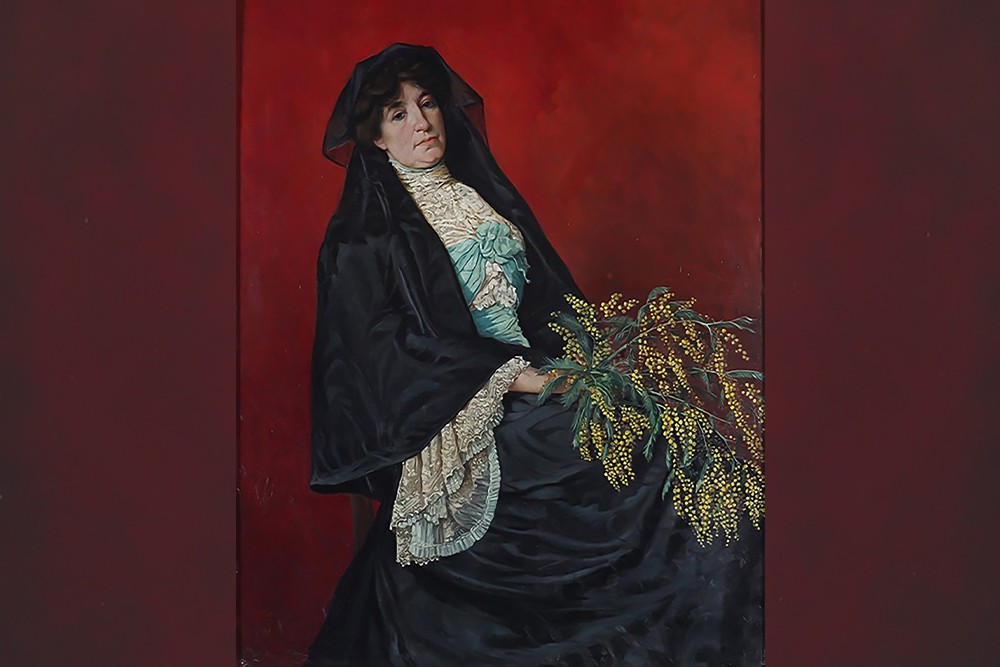
The work I would like to share with you today is “The Woman with Mimosas” (1906), an oil painting on canvas in which Osman Hamdi Bey portrayed his wife Marie (later known as Naile Hanım). At a time when women had scarcely appeared as central subjects on canvas, Osman Hamdi boldly chose to paint his own wife. Although he embraced an Orientalist style in many of his works, this painting reflects a distinctly different approach in terms of subject selection, depiction, and overall atmosphere. “The Woman with Mimosas” stands out clearly in this regard. The background is painted entirely in shades of red. This method directs all attention to the portrait itself. Our eyes focus on the facial expression, the subtle use of mimics, and the structure of the face. Had there been architectural elements or colorful ornaments in the background, our gaze would have been distracted, preventing full concentration on the figure.
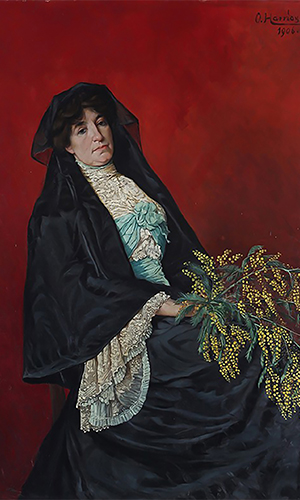
Osman Hamdi Bey, “The Woman with Mimosas”, 1906, Oil on canvas, Istanbul Painting and Sculpture Museum Collection
The use of red in the background can also be interpreted symbolically: just as love warms our hearts, Osman Hamdi expressed his affection and devotion to his wife through these red tones. On the right side of the background (behind the mimosas), there is an area formed by brushstrokes that resembles a dark mist. This can be interpreted as a representation of a love that remains vivid and alive. It also contributes to the depth of the composition.
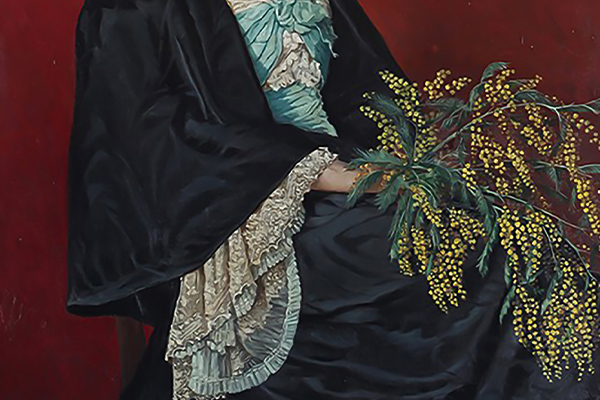
Another striking element in the painting is the clothing. The woman’s cloak is jet black, yet the dress underneath is made of satin-like, glossy fabric adorned with lace. Beneath the dark cloak, she presents a radiant and elegant appearance. This image also reflects a lifestyle oriented toward the West. Osman Hamdi Bey’s desire for progress and his Western-facing outlook can be observed in this and many of his other works.
And then there are the mimosas—symbols of love and spring. Blooming as spring approaches, mimosa flowers represent freshness, new beginnings, and womanhood. The reason for choosing yellow may lie not only in the emotions it symbolizes but also in its brilliance and visual impact. The intensity of the yellow and its contrast with the other colors immediately capture attention. Looking at the lower right corner of the canvas, we notice that the mimosas seem to extend beyond the painting itself. This approach dominates the composition, giving the impression that the flowers continue outside the frame, almost allowing us to sense their fragrance—just like his beloved Marie.
When you research mimosa flowers more closely, you will find that with their resilient branches and pleasant fragrance, they are often dedicated to women. It is unthinkable that Osman Hamdi Bey would have overlooked such a detail.
Marie’s posture is another noteworthy element. Rather than positioning the figure exactly at the center of the canvas, the artist placed her slightly to the left. Marie (Naile Hanım) is seated in a three-quarter view, though the chair becomes noticeable only upon careful observation. This manner of depiction moves beyond classical conventions and signals a more modern approach. As always, we see Osman Hamdi’s progressive attitude and his desire to transcend the classical tradition continuing in “The Woman with Mimosas.”
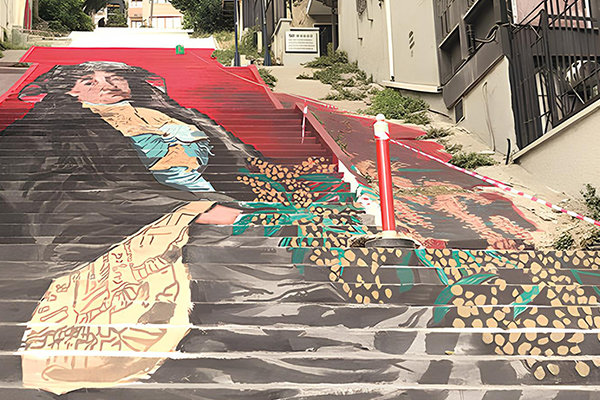
“The Woman with Mimosas” is currently part of the Mimar Sinan University Painting and Sculpture Museum collection. In 2020, through a collaboration between Mimar Sinan University and the Beyoğlu Municipality, a copy of the work was painted on the steps of Enli Yokuş in Kılıç Ali Paşa Neighborhood, Beyoğlu. This location was chosen because Osman Hamdi Bey once served as mayor in this district and was also the founder of Mimar Sinan University (Fındıklı/Beşiktaş). This joint project by the municipality and university painting students stands as a gesture of gratitude to Osman Hamdi Bey and the lasting legacy he left in the area.
With thanks to the inspiring conversation between @gulvelikaya and @burcupelvanoğlu on the program “Bizim Resmimiz”! The episode in which I analyze Osman Hamdi Bey’s “The Woman with Mimosas” is now available on my Semra Ay Çırpan YouTube channel. Enjoy watching!
https://www.youtube.com/watch?v=WpAksaYoRXc
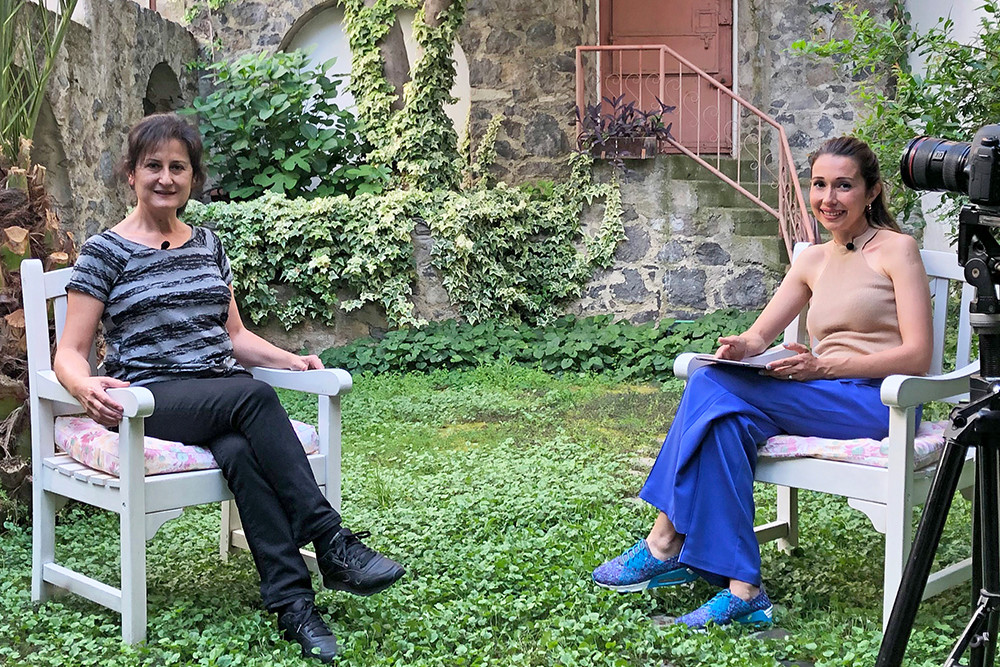
I was a guest in the house of a very productive artist who gives all his energy to art and is married to his art. It was an unforgettable day when I met my dear Sabire Susuz and talked about life and art. We talked on the phone many times until the shooting, exchanged ideas and shared our excitement. Sabire Hodja, who did not meet with anyone due to the pandemic, finally agreed to support my project. Happy me!
We had a pleasant and productive conversation about dreaming, designing and wandering around the world of imagination. It was a great pleasure to listen to the inspiration story of the labels from Sabire Susuz, whose label pictures I have watched with admiration for years. Of course, unfortunately I will not be able to share this because this special moment of inspiration experienced by Sabire Hodja is now with us. Our shooting location was as impressive as our conversation. We filmed in a wonderful Greek house. We heard the story of her garden and plants from Sabire Hodja, who also feels his devotion to his art in his home and garden.
How does an artist think, How does he create, What is the relationship between life and art for an artist? From what sources does an artist feed? If you have questions, you will be the guest of a very satisfying conversation ranging from screen printing to label pictures and then performance art. It is a section that art enthusiasts, students who want to study art and collectors should not miss.
I remember it was 2007. When I was studying at university in Istanbul, I used to spend my weekends visiting museums and galleries. One day, while visiting the Istanbul Modern Museum, I came across Ramazan Bayrakoğlu's penetrating "Fire" work. But what an encounter, I was almost caught. Art enthusiasts know, such great works can only be viewed from afar, of course, the effect will be different. While I was wondering if it was an oil painting from a few meters away, when I went to read the tag, I was also amazed when I saw that the work was made with auto paints and similar industrial paints. Its idea, design and construction phase is so challenging...
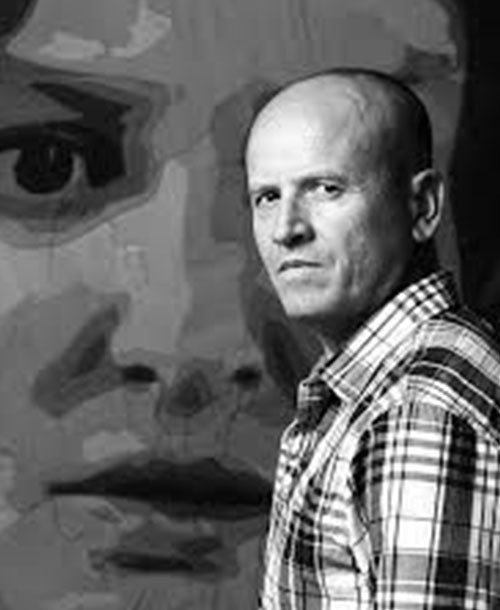
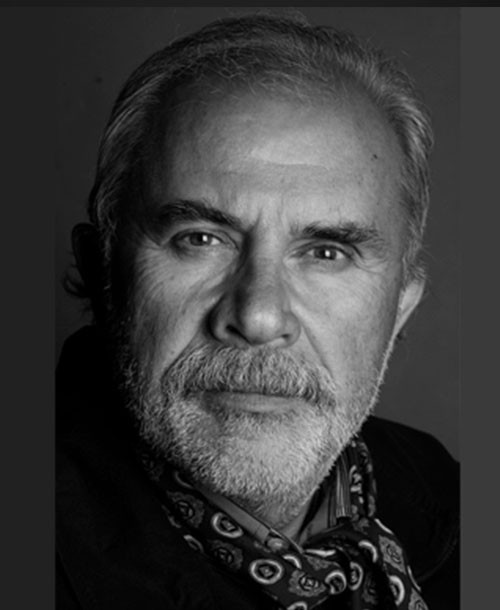
I have been living in Izmir since 2011. Our physical meeting with Ramazan Hoca will be in 2021. He doesn't talk everywhere, he didn't offend me. My admiration for his ideas, his eyes, and my interest in his works was so great that I found myself breathless in Ramazan Hoca's workshop with the support and help of my teacher Mehmet Kahyaoğlu. While he was at Dokuz Eylül University Fine Arts Faculty Painting Department, I listened with admiration to his teaching years, his perspective on art, his thoughts, his life, his production dynamic and his hard work. Best of all, I won your friendship.
Art is as complex as a human being at times. Sometimes it is explained, sometimes it cannot be explained, it is felt. I thought the same thing in Ramazan Hodja's conversation. As unique as our fingerprints are, Ramazan Bayrakoğlu's art also contains very original ideas in terms of the use of paint in different techniques and the subjects he chooses.
In this episode, we talked about his portrait series inspired by cinema, his works referring to nature in landscape technique, his admiration for photography, his photography direction, his daily habits, and most importantly, the roots of his interest in different materials. We had the chance to see his brand new works for the first time.
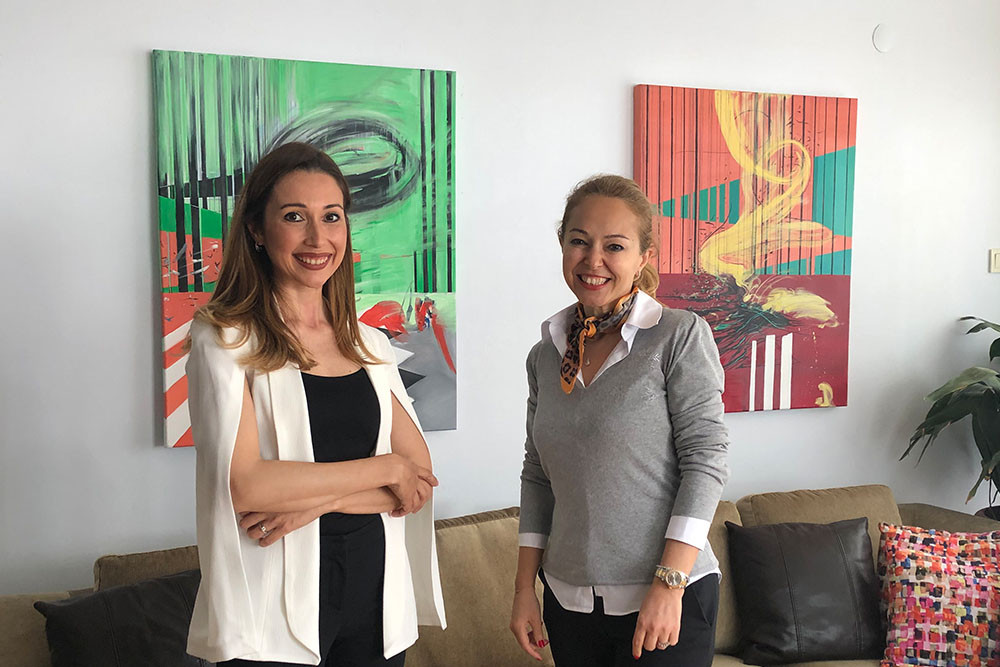
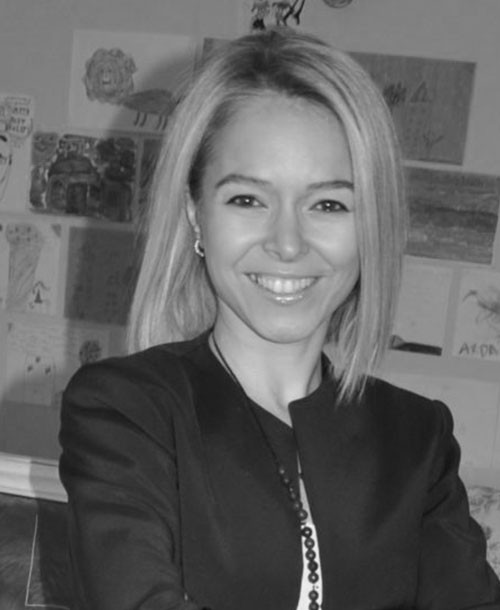
It is necessary to look at life with an impartial eye in order to continue living with a healthy mind, to be able to stop and breathe, and to distinguish the wrong directly. There is a wonderful psychologist like Ms. Sebnem, whom we all need from time to time, for an impartial eye. Ms. Şebnem, whom I met during the period following the birth of my son, not only shares her knowledge and experiences about raising children and how the parent-child relationship should be, but also establishes very good bonds with her clients in a short time with her amazing energy. Şebnem Türkdalı Temizocak is the name I trust the most in İzmir, who teaches in many different branches. I am happy that he did not break me in his busy schedule and came to my studio for shooting.
In this section, you will witness the stages of the child, which we started from his journey in the womb. In our conversation that developed in the triangle of child, art, psychology, briefly: How should my child's relationship with art be?, At what age should my child start playing a musical instrument?, What skills do children interested in art have, how does this reflect on psychology? How are children's pictures interpreted?, Do colors tell the psychology of the child? In the section where you will find answers to bone questions such as, you will both be informed and accompany our pleasant conversation full of energy.
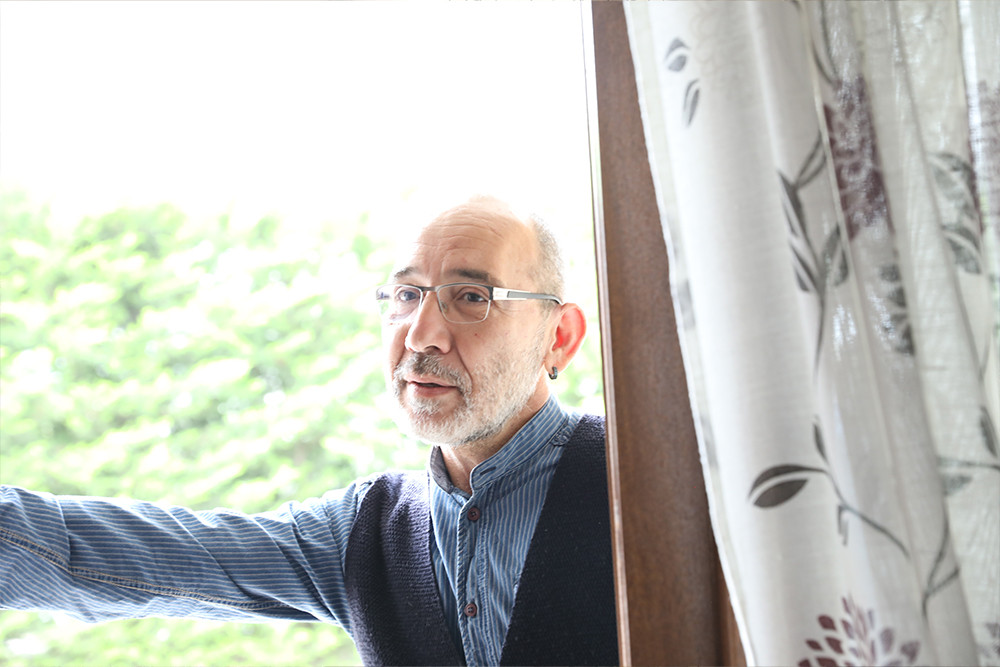
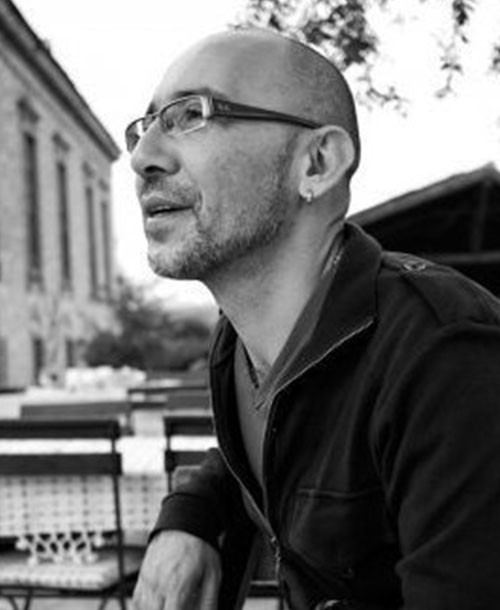
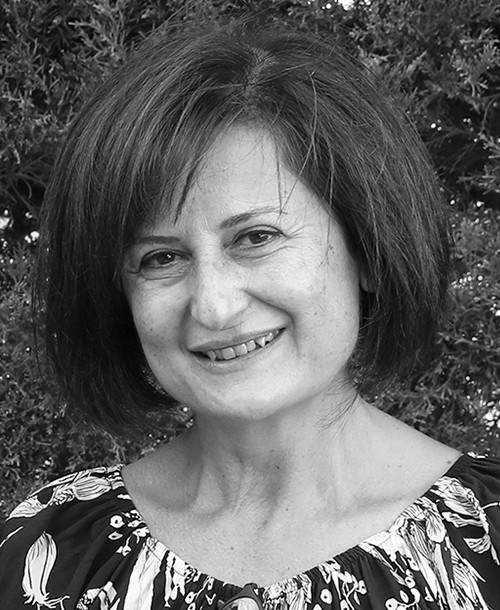
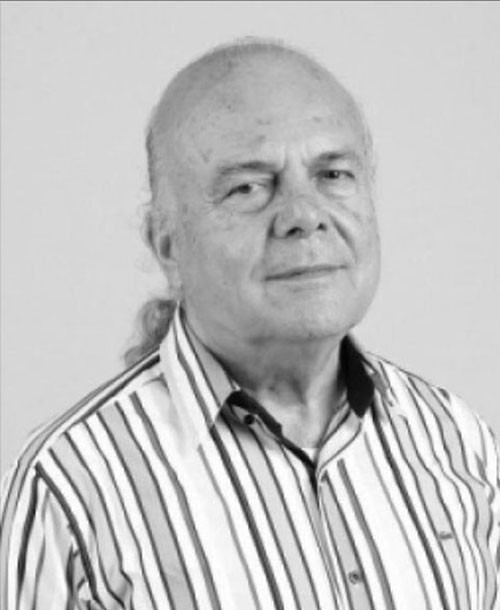
Dear Dr., who was my thesis advisor, whom I met during my proficiency in art (doctorate) years. Mehmet Kahyaoğlu (Faculty of Art and Design at Yaşar University) is one of the most researching, questioning and questioning professors I have ever met in my life. His researches and articles on art history, archeology, the relationship between art history and food culture, and language, while presenting interesting and different perspectives to the reader, also leave eye-opening effects. He is a great guide. If you type "Mehmet Kahyaoğlu" into Google, you will be greeted with the nickname "the teacher who makes art history love". I am not at all surprised by this situation because it is a pleasure for him to lecture, especially if he has students who can argue with him.
In this section: How does lifelong learning happen, How do different interests come together in the same pot? You will not only get answers to your questions, but you will also hear the inspiring career story of Mehmet Kahyaoğlu, who gave up his mining engineering job and started to become an art historian.
If you want to be a guest of a life full of art history, food culture and different business experiences, you are invited to our chat with Mehmet Kahyaoğlu at his home!
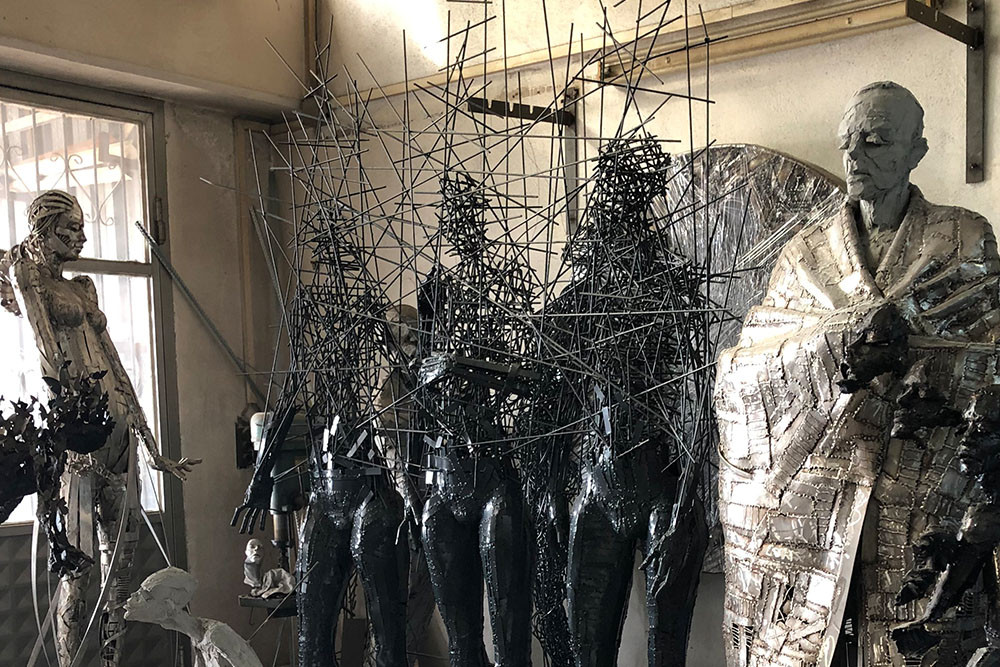
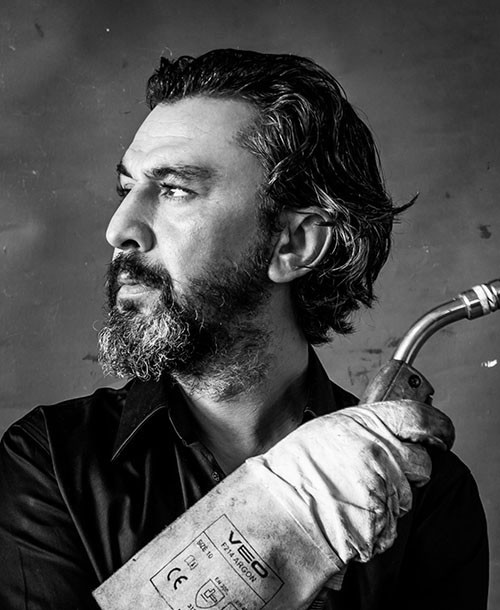
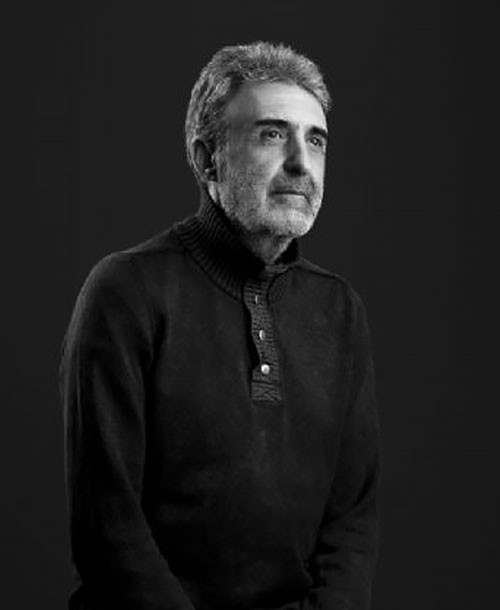
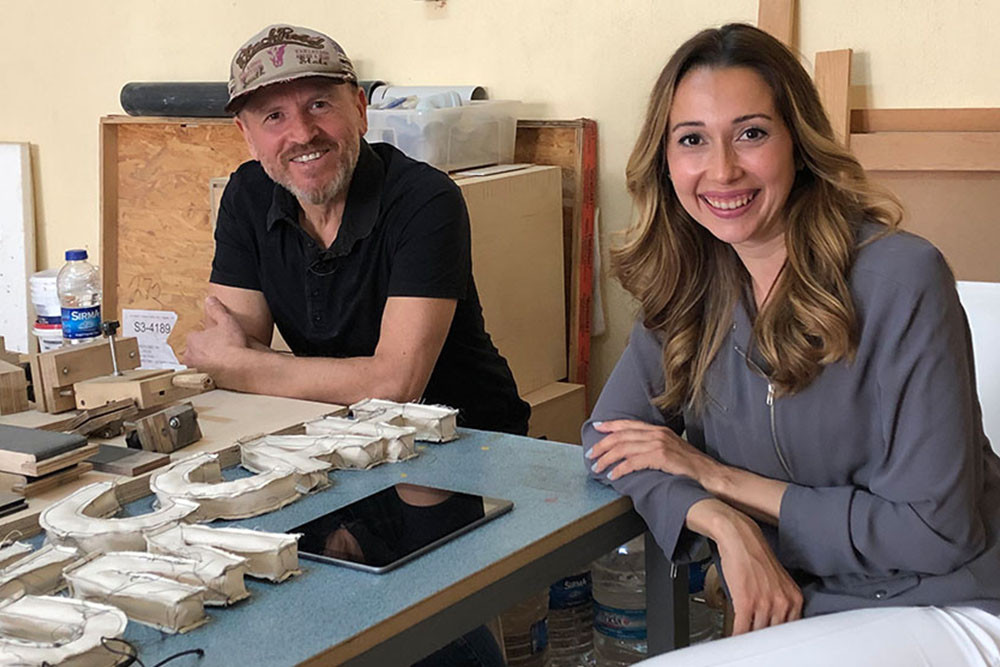
Yaşamın özünü sanatta bulan, üreterek yaşayan bir heykeltıraş arkadaşımın konuğuyum ilk bölümde, daha doğrusu o benim konuğum, kendisi Ozan Ünal. İzmir Karşıyaka’da harika bir loft atölyesi var, atölyenin her yeri çamur, alçı, demir, metal... İşiyle hemhal olmuş bir ruhun temsilcisidir Ozan, çok uzun yıllardır arkadaşımdır. Sanatıyla olan ilişkisine çok saygı duyarım, günümüz Türk heykel sanatının İzmir’de yaşayan özgün ve üretken temsilcilerinden biridir.
Heykeltıraş kimdir?, Ne yapar?, Nasıl yaşar? merakınız varsa, cevaplarını ilk bölümde bulacaksınız. Ozan Ünal’ın heykeltıraşlık yolundaki mücadele hikayesi, sanatsal dilini bulma yolundaki araştırıları, işine duyduğu saygı ve aşk, özellikle de demire duyduğu sevda bir çok heykeltıraş olmak isteyen gence ışık tutacak, yol gösterecek.
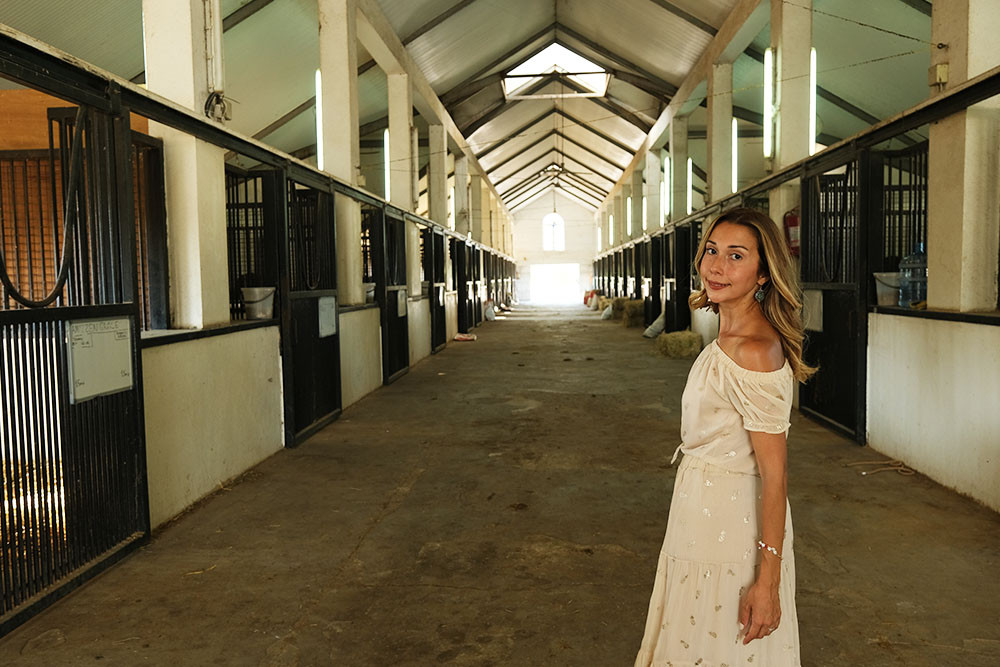
I've been living with art as long as I can remember myself...
I have been breathing in Izmir since 2011. Known for its fragrant air, sparkling sea and lands where all kinds of useful plants grow, İzmir is actually just as fertile in the context of the production of art. For many reasons, that efficiency, intensity and accumulation in the artistic context does not come to the fore. It is precisely for these reasons that I started the first season of "Koza" from Izmir, out of respect for this beautiful geography I live in and the beautiful spirited artists living in it. We talked about art, İzmir and living with art with a total of ten guests, each of whom is an expert in their field and left a unique mark with their art, a sculptor, painter, art historian, art manager and a psychologist.
Copyright © 2021 Semra Ay Çırpan. All rights reserved.
Photography & Design: Roll Yapım